Together we will be our best.
ECU Health is a new brand with the intention of being here and caring for the people of eastern North Carolina for decades to come. Whether you are one who will serve—or be served by us, ECU Health offers the chance to be better. To be your best.





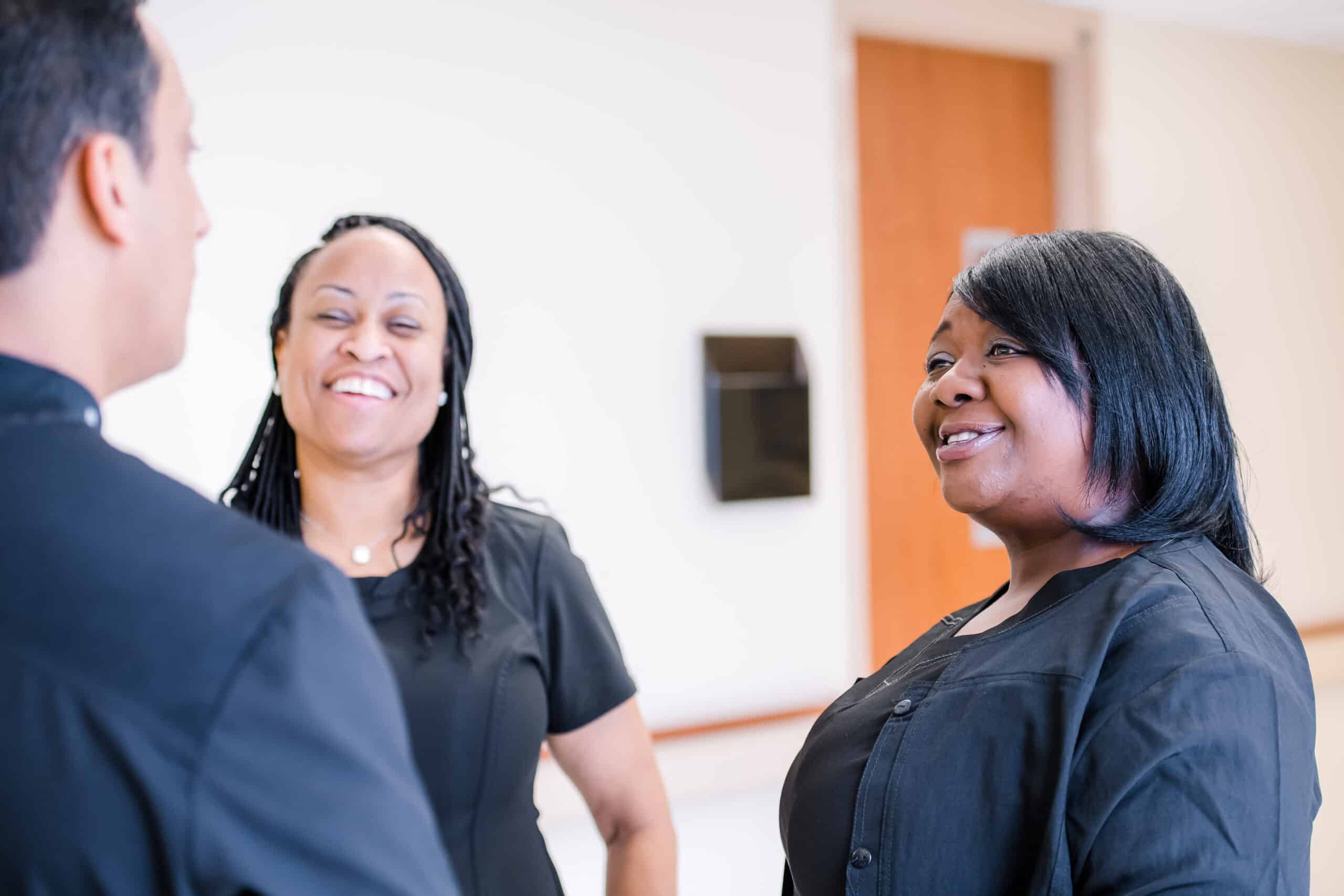
NURSING AT ECU HEALTH
An Empowered Nurse Knows No Limits
Our goal is simple – to empower nurses so they excel at their calling. That’s why ECU Health nurses are so highly awarded for their contributions to the profession.
ECU Health News

![Pictured Tess Judge, Outer Banks Health board chair, Lynne Miles, FACHE, administrator of regional operations, Walter Holton, MD [retired], Barbara Holton, and Ronnie Sloan, FACHE, president.](https://www.ecuhealth.org/wp-content/uploads/2024/03/Manteo_Primary_Care_Groundbreaking_Expansion-900x600-1-360x200.jpg)